
"coffee alkaloids"
500 article(s) found
You don't know why coffee is synthetic caffeine when you drink coffee every day.
Professional baristas please follow the coffee workshop (Wechat official account cafe_style) We drink 2.25 billion cups of coffee every day, which adds up to about 3-4 people who drink one cup a day. If so many people drink coffee, the area of coffee grown will not be too large.

Botanical classification of coffee beans Taste classification table of coffee beans
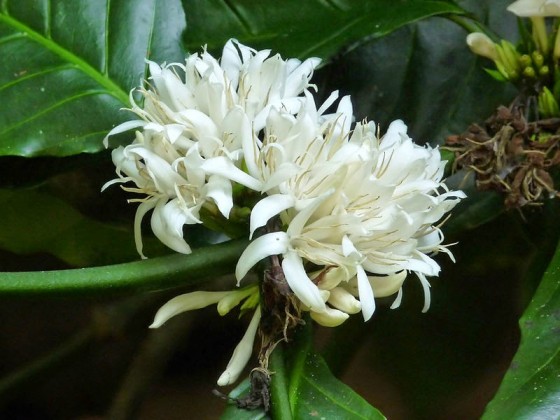
The botanical classification of coffee beans Coffee Tree Atlas Coffee Tree Coffee Tree Coffee is defined as the most unique alkaloid drinking flora. Usually after sowing for two to three years, coffee trees can grow to five in height.

Boutique coffee common sense coffee raw beans the difference between new beans and old beans
After dry and wet processing, coffee fruit becomes coffee raw bean (Raw bean/Green bean). The main components of raw beans are: carbohydrates, about 49%; moisture, about 12%; protein. About 11%; chlorogenic acid, about 7.6% alkaloids and trace elements, about 0.4%. According to the length of time, raw beans can be divided into: seasonal beans (Current Cro)

What is the baking curve? what do you need to master in roasting coffee?
Caffeine is a xanthine alkaloid, a central nervous system stimulant that temporarily repels drowsiness and restores energy. Caffeinated coffee, tea, soft drinks and energy drinks sell very well, so caffeine is also the most commonly used psychotropic drug in the world. In coffee roasting, the baking curve is a technical term for recording changes in the roasting process.
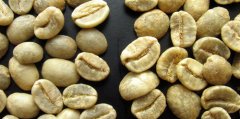
High-quality coffee raw beans: the difference between new beans and old beans
After dry and wet processing, coffee fruit becomes coffee raw bean (Raw bean/Green bean). The main components of raw beans are: carbohydrates, about 49%; moisture, about 12%; protein. About 11%; chlorogenic acid, about 7.6% alkaloids and trace elements, about 0.4%. According to the length of time, raw beans can be divided into: seasonal beans (Current Cro)

What are the kinds of coffee beans?
Coffee species Editing Plant Classification Coffee beans Coffee trees belong to Rubiaceae evergreen trees, Rubiaceae plants have been dominated by plants with special effects since ancient times, quinine trees, which are regarded as specific drugs for malaria, and Dugen, which is used to treat amitoeba dysentery. Coffee is defined as the most unique alkaloid drinking flora. The fruit of coffee is made up of outer skin, pulp, endocarp and silver skin.
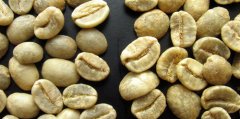
Coffee raw beans: the main components of raw beans between new beans and old beans
After dry and wet processing, coffee fruit becomes coffee raw bean (Raw bean/Green bean). The main components of raw beans are: carbohydrates, about 49%; moisture, about 12%; protein. About 11%; chlorogenic acid, about 7.6% alkaloids and trace elements, about 0.4%. According to the length of time, raw beans can be divided into: seasonal beans (Current Cro)

Description of taste and flavor of Yejiaxuefei Coffee introduction to Grinding Calibration treatment of Manor varieties
Description of taste and flavor of Yega Chuefei Coffee introduction to Gestation (taste): taste evaluation is for the taste of water-soluble substances in coffee. Contains organic (such as carbohydrates / sugars, vegetable oils, fruit acids, etc.); tastes range from slightly sweet to extremely sour. Organic compounds include alkaloids (such as caffeine, esters) and non-organic substances.

Botanical classification of coffee beans
Coffee tree belongs to the evergreen tree of Rubiaceae. Since ancient times, most of the plants of Rubiaceae are plants with special effects, such as quinine tree, which is regarded as a specific drug for malaria, and Dugan, which is used to treat amoeba dysentery. Coffee is defined as the most unique alkaloid drinking flora. Usually after sowing for two to three years, coffee trees can grow to a height of about five to ten meters, but to prevent coffee beans from losing their aroma and flavor.

Coffee beans Coffee Tree Coffee Tree Coffee Bean
Classification of plants Coffee beans Coffee trees belong to the evergreen tree of Rubiaceae. Rubiaceae plants have been dominated by plants with special effects since ancient times, such as quinine tree, which is regarded as a specific drug for malaria, and Dugen, which is used to treat amoeba dysentery. Coffee is defined as the most unique alkaloid drinking flora. The fruit of coffee consists of outer skin, pulp, endocarp, silver skin, and the above-mentioned layers.

Regular coffee consumption reduces risk of bowel cancer
1 What is caffeine? Caffeine, a xanthine alkaloid compound, is a central nervous stimulant that temporarily drives away drowsiness and restores energy. Coffee, tea, soft drinks and energy drinks containing caffeine are popular, so caffeine is also the most commonly used psychoactive drug in the world. 2. What drinks generally contain coffee

Popular decaf coffee! Decaf coffee is a boon for people who can't drink caffeine!
Decaffeinated coffee is coffee with only trace amounts of caffeine. The caffeine content of brewed coffee should not exceed 0.3%. That means no more than 5mg of caffeine in a cup of decaf coffee (a cup of 236 ml coffee typically contains 50mg to 200mg). According to FDA standards, decaffeinated coffee has a caffeine removal rate of not less than 97%.

2017 seasonal beans, coffee beans, Colombian decaf, Swiss water-treated coffee, fine coffee
Decaffeinated coffee is coffee with only a small amount of caffeine. The caffeine content in brewed coffee should not exceed 0.3%. In other words, a cup of decaf should contain no more caffeine than 5mg (usually a cup of 236mI coffee contains caffeine from 50mg to 200mg). According to the FDA standard of the US Food and Drug Administration, the caffeine removal rate of decaffeinated coffee is not less than 97%.

Classification of coffee introduction of coffee types introduction of boutique coffee beans
Classification of plants Coffee beans Coffee trees belong to the evergreen tree of Rubiaceae. Rubiaceae plants have been dominated by plants with special effects since ancient times, such as quinine tree, which is regarded as a specific drug for malaria, and Dugen, which is used to treat amoeba dysentery. Coffee is defined as the most unique alkaloid drinking flora. The fruit of coffee consists of outer skin, pulp, endocarp, silver skin, and the above-mentioned layers.

What is the fragrance of coffee beans? why the aroma of coffee beans comes from inexplicable chemical reactions.
Professional coffee knowledge exchange more coffee bean information please follow the coffee workshop (Wechat official account cafe_style) front street-coffee aroma source introduction aroma, flavor, aftertaste, acidity and alcohol thickness these five attributes are collided by different compounds. On the cup table, we use our senses to analyze the taste and aroma, which are also caused by chemical compounds. Let's smell dried incense first.

Nervous system-have a cup of coffee, why come to the spirit?
Coffee contains a lot of caffeine (caffeine is a xanthine alkaloid, a central nervous system stimulant that temporarily repels drowsiness and restores energy). Caffeine stimulates the nervous system because it stimulates the nervous system. it binds to a receptor protein called adenosine A2A on the brain cell membrane, making it more sensitive and refreshing. When drowsiness strikes

Coffee causes cancer? Experts interpret the right and wrong of coffee
When it comes to the ingredients of coffee, most people's first reaction is caffeine. Caffeine can excite the nerves and refresh you. Caffeine is essentially an alkaloid that protects plants from pests and paralyzes them during plant growth. Nowadays, many refreshing drinks (such as sports drinks) and tea contain caffeine. In addition, caffeine can improve exercise

Where can I find decaffeinated coffee? how is decaffeinated coffee made? how much is a cup of decaf?
Professional coffee knowledge exchange more coffee bean information please follow the coffee workshop (Wechat official account cafe_style) the so-called decaf coffee is only a small amount of caffeine coffee. The caffeine content in brewed coffee should not exceed 0.3%. In other words, the caffeine in a cup of decaf should not exceed 5mg (usually a cup of 236mI coffee contains caffeine from 50mg to 200mg.